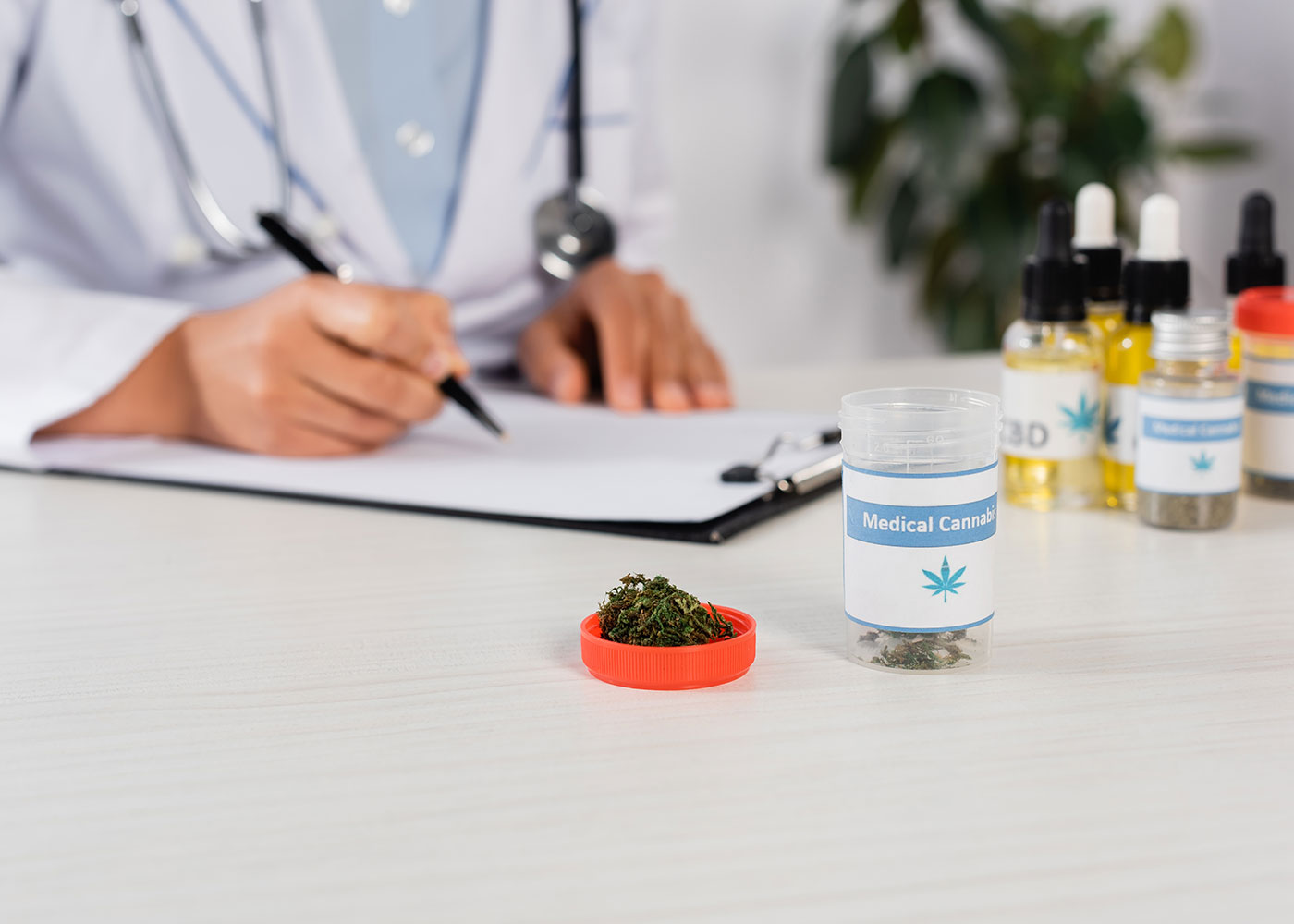


THCA is becoming more and more common in cannabis products, especially flower, concentrates, and tinctures marketed as alternatives to traditional THC products. If you have taken it before, you may wonder how long it stays in your system.
The answer depends on a few things. This article will walk you through what THCA is, how long it can be detected in your body, and the factors that can change that.
THCA Versus THC: What is the Difference?
THCA is short for tetrahydrocannabinolic acid, one of several cannabinoids found in unprocessed and raw cannabis. Unlike THC, THCA does not create the same “high” that is experienced when someone uses cannabis, which is why it is referred to as a non-psychoactive precursor to THC.[1]
When THCA is exposed to heat through smoking, vaporizing, baking, or dabbing, its chemical structure changes and it converts into delta-9 THC. This process is why raw cannabis and smoked cannabis can affect the body very differently.
Essentially, THCA is what exists before the heat, while THC is what happens after heat exposure.
Will THCA Show Up on a Drug Test?
While THCA itself is rarely tested for on standard drug tests, that does not mean THCA products are drug-test safe.[2] Consuming high-potency THCA-based flower, concentrate, edible, or tincture products can lead to positive results because of the increased THC exposure involved.
Drug screening may detect:
- THC from heated THCA products
- THC-COOH after the body metabolizes THC
- Other cannabinoid markers depending on the test type
- Cannabis exposure from high-potency flower, concentrates, edibles, or tinctures
Some newer types of tests may be capable of measuring THCA or other cannabinoids separately. However, standard drug testing protocols for cannabis-related substances typically rely on detecting metabolites resulting from the breakdown of THC.[3]
For most, rather than worrying about whether THCA appears on a test result by name, they should be more concerned with determining whether those products have caused sufficient levels of THC to be present in their bodies to trigger a positive reading on a drug test.
How is THCA Metabolized Compared to THC?
THC is absorbed into the bloodstream and then broken down by the body into various metabolites, including 11-hydroxy-THC and THC-COOH.[4] The presence of THC-COOH is particularly significant, since this metabolite can remain detectable even after the immediate effects of cannabis have dissipated.
Metabolism of THCA has received relatively little attention, largely because the majority of cannabis-based products containing THCA have undergone heat treatment before it enters the body.
If someone consumes raw cannabis that has not been heated, the metabolism may differ from smoked or vaped THC. However, most drug testing concerns come from heated THCA products, because they can behave more like traditional THC exposure from a testing standpoint.
How Long Does THCA Stay in Your System?
THCA has a wide range of detection times based on the user’s individual circumstances. Most information about detection windows is based on THC and its metabolites, because that is primarily what most drug tests are looking for.
Detection times can vary widely based on whether someone has used THCA once versus multiple times. People who use low amounts of THCA each time may have shorter detection windows than those who smoke or vape THCA flower, eat edibles, dab, or consume concentrates made from THCA.
THC is fat-soluble and enters fatty tissues and leaves the body slowly over time.[5] Because of this characteristic of THC and its tendency to stay in the system of chronic users for longer periods than in non-chronic users, detecting cannabis through drug testing can take longer for heavy users than for light users.
Below we’ll go through how long THCA can be detected by the most common testing methods.
Urine
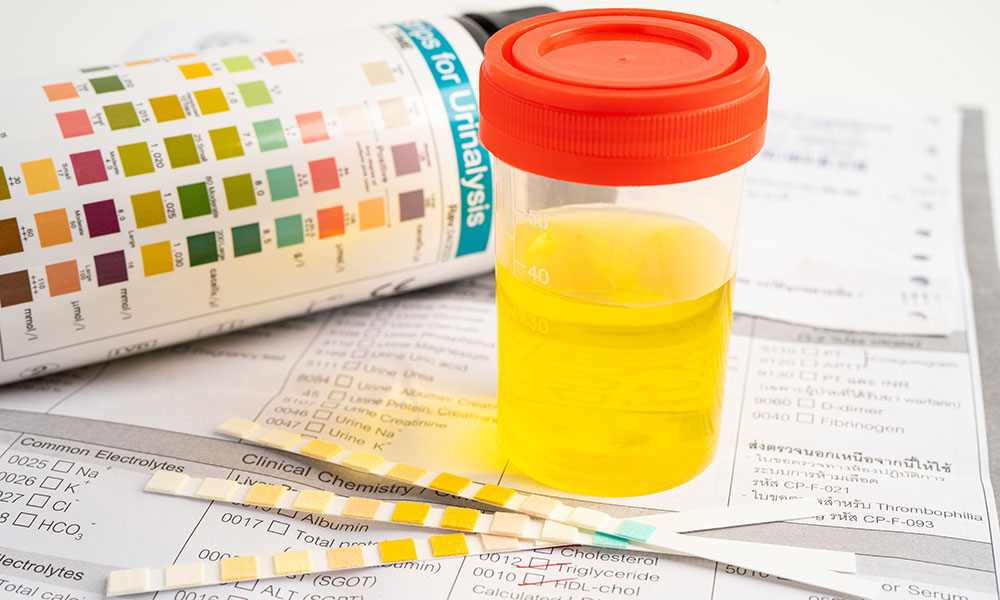
Urine testing is by far the most common method for drug screening for cannabis.
Most urine tests look for THC-COOH rather than active THC or THCA itself. If an occasional cannabis user takes a urine drug test, they may find that they test positive for cannabis for up to a week or so after their last use.
If a chronic user of cannabis takes a urine drug test, they may test positive for anywhere from two weeks to several weeks or more, depending on the frequency of their use, body composition, and test sensitivity.[6]
When using THCA flower via inhalation, whether smoking or vaporizing, users should assume that their urine test could show evidence of cannabis use even after they no longer feel the effects. THC metabolites can be found in urine for extended periods after cannabis use.
Saliva
Saliva testing, also known as mouth swab testing, is typically used to detect more current marijuana use. Since THC stays in the mouth for some time after smoking or vaping, a saliva test is likely to show positive results shortly after consumption.[7]
Mouth swab tests are generally better suited to detect more recent use as opposed to long-term past use. Depending on what products were used, how much was used, what cutoff level your saliva test has, and how frequently you use cannabis, your saliva test can potentially reveal evidence of cannabis use from anywhere between several hours to a few days.
Recent smoking or vaporizing of THCA flowers increases the likelihood of getting a positive saliva test result.
Blood
Blood testing is typically used to determine more recent marijuana usage, from several hours to 1 or 2 days. As soon as someone smokes cannabis, their THC blood concentrations rapidly climb and then gradually fall as THC gets stored in various tissues and undergoes metabolism.[8]
Blood testing is less common than urine testing for regular workplace screenings; however, it is still used in clinical, forensic, or impairment evaluations. Blood testing may indicate more recent cannabis usage than urine testing; however, detecting cannabis does not always equate with impaired function.
Hair
Hair testing has a longer detection window than urine, blood, or saliva testing. Hair tests can identify patterns of cannabis exposure over a longer period, often up to about 90 days depending on the length of hair tested and the testing method.[9]
Hair testing is not usually used to determine recent impairment. It is more often used when someone wants a longer-term view of substance exposure.
What Factors Affect How Long THCA Remains Detectable?
The timeframe depends on several factors, including:
- Frequency of Use: More frequent users tend to have longer detection windows than infrequent users because metabolites build up faster than the body can eliminate them.
- Amount Used: Larger amounts of cannabis produce larger amounts of THC metabolites.
- Product Potency: Higher-potency cannabis flower and concentrates can lead to increased exposure to THC after heat conversion.
- Consumption Method: Dabbing, vaping, baking, and smoking can convert THCA into THC.
- Body Composition: THC is lipophilic, so it can be stored in fatty tissues.[3]
- Metabolism: Everyone processes cannabinoids differently. Some people may take longer to break down THC metabolites, while others metabolize them faster.
- Hydration: While hydration affects urine concentration, it is not reliable enough to eliminate THC metabolites.
- Type of Test: Tests measure different components of cannabinoid exposure across varying windows.
- Cutoff Levels: Tests with lower cutoffs tend to detect exposure longer than those with higher cutoffs.
It should be noted that detox drinks, extreme hydration, and “quick fixes” are ineffective in removing THC metabolites. They can also potentially cause additional issues, such as flagging a sample as diluted or abnormal.
When Cannabis Use Becomes Hard to Manage
Some people may be researching this information simply because they have a drug test coming up. For others, however, worrying about testing can be a symptom of a broader issue.
If you or someone you love is using THCA or THC-based products like edibles, vapes, or dabs more frequently than they had originally intended, and cutting back is hard to do, it may be time to speak with someone about that usage, especially if that use is beginning to interfere with work, school, relationships, motivation, mental health, or responsibilities.
Marietta Springs offers drug and alcohol addiction treatment services for Georgia residents seeking structured support and a safe environment to start the recovery process. If cannabis or another substance has started to take up more space in your life than you want it to, there is hope.
Reach out today to explore what treatment can look like.