

People often use the term blackout casually, but alcohol-related blackouts are serious. Someone can appear fully awake, social, and aware while drinking but later have gaps in memory or no memory at all. This can be scary too. Blackouts can increase the risk of injuries, unsafe sex, drunk driving, fights, legal problems, alcohol poisoning, and other risky behaviors. If blackouts have happened more than once, it is important to look closely at the pattern rather than just dismissing them as normal when drinking.
What Does Blackout Drunk Mean?
Blackout drunk means memory loss that happens because of intoxication with alcohol. It’s not that someone just can’t remember because they were sleepy or distracted. Alcohol interferes with the brain’s ability to transfer short-term memories into long-term memory.
The National Institute on Alcohol Abuse and Alcoholism (NIAAA) also explains that alcohol blackouts are gaps in memory for things that happen when someone is drunk. Alcohol disrupts memory formation in the hippocampus, which is involved in making new personal memories. [1]
In other words, the person is aware of what is happening, but the brain isn’t recording things correctly.
What Is a Blackout When Drunk?
A blackout is a period of forgetting that happens because of alcohol. There are two main ways this happens.
Fragmentary blackouts, sometimes called brownouts or grayouts, mean that people forget some things but remember other pieces if given hints. An en bloc blackout, also called a complete blackout, involves a larger gap in memory that may not be recoverable later. Later on, you can’t recover those missing memories because those memories never really got stored properly.
Passing out is different. Passing out means someone loses consciousness. During a blackout, people are still awake and interacting with others.
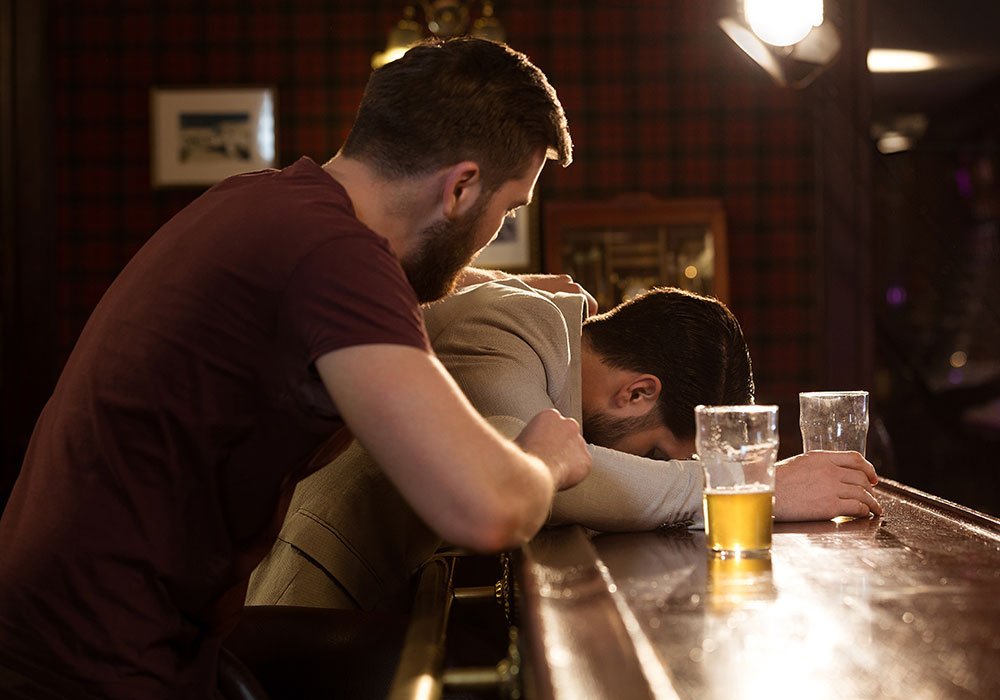
Blackout Drunk Symptoms
Blackout drunk symptoms may not always be obvious to others. Someone who is blackout drunk might act intoxicated but still seem awake and able to talk and move. Possible signs:
- Repetition of the same question or story
- Appearing confused but still awake
- Acting rashly or acting out of character
- Poor coordination
- Speech that is slurred
- Engaging in risky behavior
- Missing bits of memory the next day
- Needing others to explain what happened
- Finding texts, photos, receipts, or injuries they can’t remember
- Feeling anxious or ashamed about memory loss
Blackouts happen because alcohol can affect memory. People usually realize they blacked out later.
Why Do Blackouts Happen When Drinking Alcohol?
Usually, blackouts happen after drinking enough alcohol quickly to raise blood alcohol concentration. Blood alcohol concentration (BAC) is the amount of alcohol in the blood. There are a number of things that increase the chance of blackouts:
- Binge drinking
- Drinking quickly
- Empty stomach
- Shots or drinks with high alcohol content
- Playing drinking games
- Mixing alcohol with other drugs
- Fatigue or poor sleep
- Lower body weight
- Certain medications
- History of blackouts before
- Drinking more than planned this time
The Centers for Disease Control and Prevention (CDC) defines binge drinking as having four or more drinks at one time for women and five or more for men. Excessive drinking increases the risk of injuries, violence, alcohol poisoning when mixed with other drugs, memory problems, mental health issues, liver disease, high blood pressure, stroke, and alcohol use disorder. [2]
Blackouts can occur even if you don’t drink every day. People who usually binge only on weekends can still have blackouts if blood alcohol concentration (BAC) rises quickly.
Are Blackouts Brain Damage?
Blackouts indicate alcohol has disrupted brain function. One blackout does not necessarily mean permanent brain damage, but it does mean alcohol impaired brain function enough to disrupt normal memory formation.
The main worry is the pattern. Frequent blackouts caused by alcohol consumption are a warning that you drink too much and are linked to risky drinking, injuries, and alcohol use disorder. Long-term heavy use of alcohol also harms cognitive function, mood, sleep, and physical health.
If blackouts happen very often, assuming that alcohol is having a serious effect on both body and brain seems safest. Providers or treatment professionals can assess whether alcohol use has become harmful.
Blackout and Passing Out Are Different Things
During a blackout, someone is awake, but they can’t form complete memories. Passing out means someone loses consciousness.
Passing out after drinking can be a sign of alcohol poisoning: if someone won’t wake up easily, is throwing up, breathing slowly and irregularly, has pale or blue skin, low body temperature, or convulsions. NIAAA warns that alcohol overdose affects breathing, heart rate, body temperature, and gag reflex, and this can be life-threatening. [3]
Call 911 if someone is unconscious, hard to wake, breathing slowly, vomiting while unresponsive, or showing signs of alcohol poisoning. Do not leave them to sleep it off alone.
Why Some People Black Out More Easily
Some people black out much more easily than others after drinking alcohol. Factors that influence risk include body size, sex, genetics, what they eat, speed at which they drink, tolerance to alcohol, medications they take, sleep quality, and general health.
Tolerance to alcohol can be deceptive too. Someone might look less visibly drunk because they drink frequently, but their brain can still be impaired. High tolerance doesn’t protect someone from blackouts or long-term harm either.
Mixing alcohol with benzodiazepines, sleep drugs, opioids, cannabis, or other substances also raises higher risks. Combining these can worsen drowsiness, memory loss, poor judgment, and also increase overdose risk.
Ways to Prevent Blackouts If You Do Drink Alcohol
The surest way to avoid blackouts is not to drink at all. For people who choose to drink, reducing risk starts with slowing alcohol intake and avoiding binge drinking. Prevention steps might include:
- Eat before drinking
- Drink slowly
- Alternate drinks with water
- Avoid drinking games
- Avoid shots
- Set a limit before you start drinking
- Track how much you drink
- Avoid mixing alcohol with other drugs
- Plan safe ways to get home
- Stay with people you trust
- Stop if you feel your memory is fuzzy
- Avoid drinking if you are stressed, tired, or emotionally overwhelmed
Repeated blackouts may be a sign that self-monitoring isn’t enough.
Marietta Springs provides addiction treatment in Marietta, Georgia, for individuals struggling with alcohol use and co-occurring mental health concerns. For someone struggling with heavy drinking, alcohol dependence, blackouts, cravings, or other alcohol-related concerns, treatment may begin with a comprehensive assessment of substance use, mental health symptoms, medical needs, and personal goals.
If alcohol use, blackouts, cravings, risky drinking, or co-occurring mental health concerns have become difficult to manage, a comprehensive assessment can help determine next steps.